
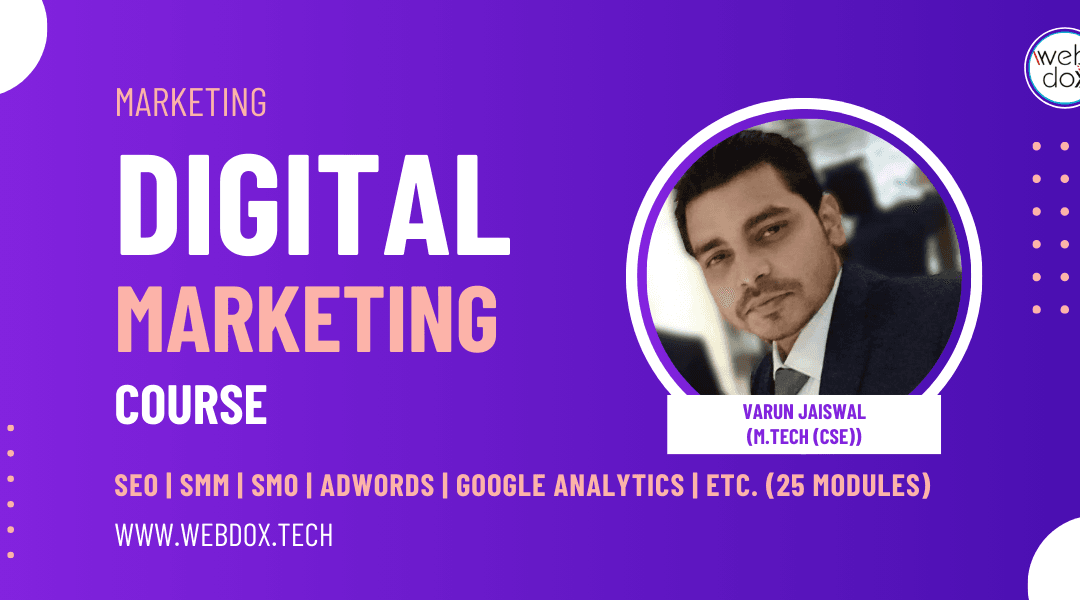
Digital marketing has become one of the most important skills for businesses, entrepreneurs, students, and professionals. As more customers search for products and services online, businesses need skilled digital marketers who understand how to attract the right audience, generate leads, build brand awareness, and increase sales through digital channels.
If you are looking for a digital marketing brochure PDF, this guide can help you understand what a professional digital marketing course brochure should include, what topics you can learn, career opportunities available after training, and how digital marketing skills can be applied to real businesses.
What Is Digital Marketing?
Digital marketing is the process of promoting products, services, brands, or businesses through online platforms and digital channels. Instead of depending only on traditional advertising such as newspapers, television, radio, or billboards, businesses can use search engines, social media, websites, email, online advertising, and other digital platforms to reach potential customers.
Digital marketing allows businesses to target specific audiences based on factors such as location, interests, demographics, online behavior, search queries, and previous interactions with a brand.
For example, a local coaching institute in Jalandhar can use Google Search Ads to appear when someone searches for “digital marketing course in Jalandhar.” Similarly, an e-commerce business can use social media advertising to introduce its products to potential customers and use remarketing campaigns to reach people who previously visited its website.
This makes digital marketing an essential part of modern business growth.
Why Learn Digital Marketing?
The demand for digital marketing skills has increased because businesses of almost every size now require an online presence. A website alone is not enough. Businesses need people who can manage search engine optimization, social media, paid advertising, content, analytics, email campaigns, and online branding.
Learning digital marketing can help you:
- Understand how online businesses attract customers
- Create and optimize websites
- Improve search engine rankings
- Run Google and social media advertising campaigns
- Generate leads for businesses
- Analyze website and campaign performance
- Develop social media strategies
- Create content for different platforms
- Build an online brand
- Work as a freelancer or digital marketing professional
- Start your own digital marketing agency
A well-structured digital marketing course brochure PDF should therefore provide students with a clear overview of both fundamental concepts and practical skills.
Digital Marketing Course Modules
A complete digital marketing program should cover multiple areas because digital marketing is not limited to one platform.
1. Digital Marketing Fundamentals
The course generally begins with the fundamentals of digital marketing. Students learn about traditional marketing versus digital marketing, digital customer journeys, online business models, target audiences, marketing funnels, conversion processes, and different digital marketing channels.
You can also learn how businesses create digital marketing strategies and decide which channels are suitable for specific products and audiences.
2. Search Engine Optimization
Search Engine Optimization, commonly known as SEO, is one of the most important components of digital marketing.
SEO focuses on improving a website’s visibility in organic search results. A complete SEO module can include:
- Keyword research
- Search intent
- On-page SEO
- Off-page SEO
- Technical SEO
- Content optimization
- Meta titles and descriptions
- Heading optimization
- Internal linking
- Backlink analysis
- Competitor research
- Local SEO
- Website audits
- Search performance analysis
Students can learn how to identify keywords that potential customers use and optimize website pages around relevant search queries.
For example, a training institute targeting local students may optimize pages for terms such as “digital marketing course in Jalandhar,” “SEO course in Jalandhar,” or “digital marketing training.”
3. Keyword Research
Keyword research helps marketers understand what people search for online.
A professional digital marketing course should explain how to identify:
- Short-tail keywords
- Long-tail keywords
- Commercial keywords
- Informational keywords
- Transactional keywords
- Local keywords
- Branded keywords
Keyword research can help businesses create better website pages, blog posts, landing pages, advertisements, and content strategies.
4. Content Marketing
Content is an important part of digital marketing because businesses need useful information to attract and engage their audience.
Content marketing can include:
- Blog articles
- Website content
- Social media posts
- Infographics
- Videos
- Guides
- E-books
- Case studies
- Email content
- Landing page content
Students can learn how to create content based on audience needs and search intent instead of simply publishing promotional material.
Good content should provide value, answer questions, solve problems, and encourage the audience to take an appropriate action.
5. Social Media Marketing
Social media marketing focuses on promoting brands and engaging customers through social platforms.
A course can cover:
- Social media strategy
- Content planning
- Facebook marketing
- Instagram marketing
- LinkedIn marketing
- YouTube marketing
- Social media content creation
- Hashtag research
- Audience engagement
- Social media analytics
- Paid social campaigns
Businesses can use social media to build awareness, communicate with customers, showcase products, generate leads, and drive traffic to their websites.
6. Google Ads and Paid Advertising
Paid advertising allows businesses to reach potential customers quickly.
A digital marketing course can introduce students to different Google Ads campaign types and advertising concepts, including:
- Search campaigns
- Display advertising
- Video advertising
- Shopping campaigns
- Performance Max
- Demand Gen
- Keyword targeting
- Audience targeting
- Ad copywriting
- Landing pages
- Bidding strategies
- Conversion tracking
- Campaign optimization
Students should also understand important metrics such as impressions, clicks, CTR, CPC, conversions, conversion rate, and ROAS.
7. Google Analytics and Data Analysis
Digital marketing is increasingly data-driven. Marketers need to understand whether their campaigns are actually producing results.
Analytics training can help students understand:
- Website traffic
- Users and sessions
- Traffic sources
- Engagement
- Conversions
- Landing page performance
- Campaign performance
- User journeys
- Event tracking
- Marketing attribution
Google Analytics can help businesses make decisions based on actual user behavior instead of assumptions.
8. Google Tag Manager
Google Tag Manager helps marketers manage tracking tags and related configurations without repeatedly modifying website code.
Students can learn concepts such as:
- Tags
- Triggers
- Variables
- Events
- Conversion tracking
- Form tracking
- Button-click tracking
- Analytics integration
- Advertising platform tracking
Understanding tracking is particularly useful for paid advertising because businesses need accurate conversion data to evaluate campaigns.
9. Email Marketing
Email marketing remains an effective channel for communication, customer retention, and lead nurturing.
Students can learn about:
- Email campaigns
- Subscriber lists
- Lead nurturing
- Email newsletters
- Promotional emails
- Automated campaigns
- Email subject lines
- Call-to-action buttons
- Campaign analytics
Email marketing can help businesses maintain relationships with existing customers and encourage repeat purchases.
10. WordPress and Website Management
A digital marketer does not necessarily need to become a full-stack developer, but basic website management skills are extremely useful.
A digital marketing training program can introduce students to WordPress, website structure, themes, plugins, pages, posts, forms, SEO plugins, and basic website optimization.
Students can also learn how to create landing pages and manage content for marketing campaigns.
Practical Digital Marketing Training
One of the most important parts of digital marketing education is practical implementation.
Instead of learning only theoretical definitions, students should work on practical projects such as:
- Creating a website
- Performing keyword research
- Conducting an SEO audit
- Optimizing website pages
- Creating social media content
- Planning a content calendar
- Creating Google Ads campaigns
- Setting up conversion tracking
- Analyzing campaign data
- Creating landing pages
- Developing marketing strategies
Practical projects allow students to understand how different marketing channels work together.
Who Can Learn Digital Marketing?
Digital marketing is suitable for people from different educational and professional backgrounds.
Students
Students can learn digital marketing to develop an additional career-oriented skill while completing their education.
Business Owners
Business owners can learn digital marketing to understand how online advertising, SEO, social media, and content marketing can help grow their businesses.
Working Professionals
Professionals can add digital marketing skills to their existing expertise and explore new career opportunities.
Freelancers
Freelancers can offer services such as SEO, social media management, Google Ads, content marketing, website optimization, and analytics.
Entrepreneurs
Entrepreneurs can use digital marketing to promote their own products and services without depending entirely on external agencies.
Career Opportunities After Digital Marketing Training
Digital marketing offers several career paths.
Depending on your interests and skills, you can work as a:
- Digital Marketing Executive
- SEO Executive
- SEO Specialist
- Social Media Executive
- Social Media Manager
- Google Ads Specialist
- Performance Marketing Executive
- Content Marketing Specialist
- Email Marketing Specialist
- Digital Marketing Analyst
- PPC Executive
- Affiliate Marketing Specialist
- E-commerce Marketing Executive
- Digital Marketing Consultant
- Freelancer
- Digital Marketing Agency Owner
The exact career path depends on your skills, practical experience, portfolio, and specialization.
Digital Marketing for Local Businesses
Local businesses can benefit significantly from digital marketing.
A restaurant, salon, coaching institute, real estate company, travel agency, transport business, clothing store, or service provider can use digital marketing to reach customers in specific locations.
Local SEO can help businesses improve their visibility for location-based searches. Google Business Profile optimization, local content, customer reviews, website optimization, and location-focused advertising can all contribute to a local marketing strategy.
For example, a business targeting Jalandhar can develop content and campaigns specifically designed for customers searching for products and services in the local area.
Digital Marketing for E-Commerce
E-commerce businesses depend heavily on digital marketing because customers discover, evaluate, and purchase products online.
Digital marketers can support e-commerce businesses through:
- Product SEO
- Google Shopping
- Social media marketing
- Paid advertising
- Content marketing
- Email campaigns
- Remarketing
- Conversion optimization
- Product page optimization
- Analytics
The objective is not simply to generate website traffic but to attract relevant visitors who have a genuine possibility of becoming customers.
Benefits of a Digital Marketing Brochure PDF
A professional brochure PDF provides a convenient way to present course information in one place.
It can include:
- Course introduction
- Training modules
- Course duration
- Practical projects
- Tools and platforms
- Certification information
- Career opportunities
- Training methodology
- Contact information
- Frequently asked questions
Students can download the brochure and review the complete course structure before enrolling.
A well-designed brochure also makes it easier for training institutes to communicate their course offering through websites, WhatsApp, email, social media, and other digital channels.
Tools Used in Digital Marketing
Digital marketers work with a wide range of tools. The exact tools can vary depending on the specialization, but training may introduce students to categories such as:
- SEO tools
- Keyword research tools
- Website analytics tools
- Search performance tools
- Advertising platforms
- Social media management tools
- Content creation tools
- Email marketing platforms
- Website management systems
- Conversion tracking tools
- Reporting and dashboard tools
Learning how to use these tools is useful, but understanding the marketing principles behind them is even more important.
How to Choose the Right Digital Marketing Course
Before choosing a digital marketing course, consider the following factors.
Course curriculum: Make sure the course covers major areas such as SEO, social media, Google Ads, analytics, content marketing, email marketing, and conversion tracking.
Practical training: Look for a program that includes projects and real-world exercises.
Updated topics: Digital marketing changes continuously, so the curriculum should be regularly updated.
Tools: Check whether students get practical exposure to commonly used digital marketing platforms.
Portfolio development: Practical projects can help students demonstrate their skills when applying for jobs or approaching clients.
Support: Mentorship, doubt-solving, and career guidance can make the learning process easier.
Conclusion
Digital marketing has become an essential skill for businesses and professionals operating in today’s online environment. From SEO and social media marketing to Google Ads, analytics, content marketing, email campaigns, and conversion tracking, digital marketing includes a wide range of skills that can be applied across different industries.
A comprehensive digital marketing brochure PDF should provide more than a simple list of course topics. It should explain what students will learn, how the knowledge can be applied, what tools they may use, and which career opportunities they can explore after completing their training.
Whether you are a student looking to start a career, a business owner interested in online growth, a professional planning a career change, or a freelancer looking to expand your services, learning digital marketing can provide a strong foundation for working in the digital economy.